Digital Operations
Understanding dMRV: The Future of Data Monitoring, Reporting, and Verification
In today's digital era, data is crucial for making informed decisions, especially in fields like sustainability, finance, and governance. As industries evolve, the demand for accurate data monitoring, reporting, and verification (MRV) is greater than ever. Enter dMRV—digital Monitoring, Reporting, and Verification—a revolutionary approach leveraging advanced technologies to improve the precision, efficiency, and transparency of data systems.
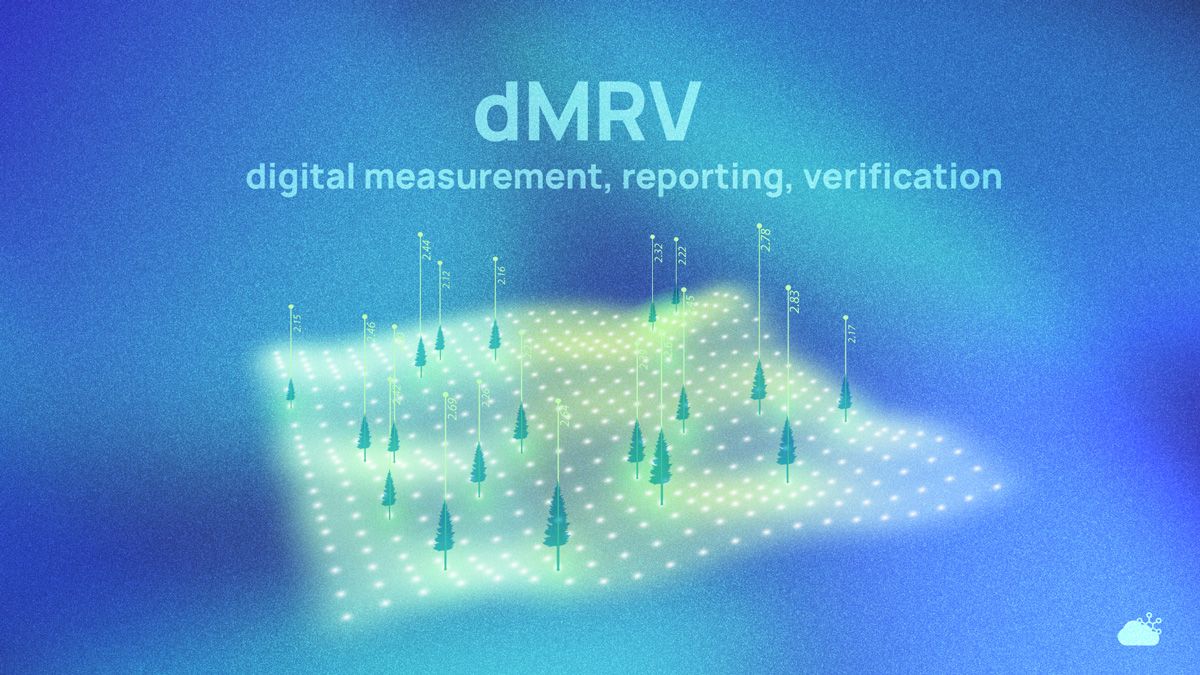
In today's digital era, data is crucial for making informed decisions, especially in fields like sustainability, finance, and governance. As industries evolve, the demand for accurate data monitoring, reporting, and verification (MRV) is greater than ever. Enter dMRV—digital Monitoring, Reporting, and Verification—a revolutionary approach leveraging advanced technologies to improve the precision, efficiency, and transparency of data systems.
In this article, we'll dive into what dMRV is, its benefits, the role of technology in its evolution, and its impact on various sectors, particularly in the fight against climate change.
What is dMRV?
Digital Monitoring, Reporting, and Verification (dMRV) refers to the integration of digital tools and systems into the traditional MRV processes. Traditionally, MRV involves manual data collection, reporting, and validation, which can be time-consuming, error-prone, and often lacks transparency. dMRV, however, automates and digitizes these tasks using cutting-edge technologies such as blockchain, IoT (Internet of Things), satellite data, and AI-powered analytics.
With dMRV, organizations can streamline their workflows, ensure data accuracy, and access real-time insights, making the process more efficient and reliable.
Why is dMRV Important?
1. Accuracy and Transparency
Digital systems reduce the risk of human error, improving data accuracy. Blockchain, for example, offers tamper-proof records, enhancing transparency and trust in the data. This is crucial in fields like environmental reporting, where accountability is paramount.
2. Real-Time Data
In sectors such as carbon emissions monitoring or financial auditing, time-sensitive data is critical. dMRV enables real-time tracking and reporting, allowing for quicker and more informed decision-making. IoT devices, for instance, can continuously monitor and transmit data for analysis, offering live insights into ongoing processes.
3. Cost and Efficiency
Manual MRV systems often involve significant labor and costs. By automating the processes, dMRV reduces the need for on-site inspections and lengthy audits, leading to cost savings. Additionally, organizations can optimize their resources by focusing on data analysis rather than data collection.
4. Compliance and Regulation
With increasing regulatory pressure, particularly in industries like energy and agriculture, compliance with sustainability and reporting standards is more critical than ever. dMRV helps companies stay compliant by ensuring data integrity, automating report generation, and offering a clear audit trail.
Technologies Powering dMRV
Several technologies contribute to the effectiveness of dMRV, each offering unique capabilities for different sectors:
1. Blockchain
Blockchain ensures that data records are immutable and verifiable. This makes it ideal for transparency applications, such as carbon credits and emissions trading. Every transaction or data point recorded on the blockchain is secure, ensuring an unalterable audit trail.
2. IoT and Sensors
IoT devices and sensors provide the real-time collection of data from physical environments. From monitoring soil quality in agriculture to tracking air quality in urban settings, IoT devices automate data collection and reduce the need for manual interventions.
3. Satellite and Remote Sensing
For large-scale environmental monitoring, such as deforestation tracking or carbon sink verification, satellites are essential for accurate, wide-reaching data collection. Remote sensing technologies give insights into land use, vegetation health, and atmospheric conditions without ground-level inspections.
4. AI and Machine Learning
AI and machine learning algorithms analyze vast amounts of data quickly, identifying patterns, making predictions, and even detecting anomalies. This technology is essential for ensuring that data is not only collected but also analyzed efficiently and effectively.
Applications of dMRV in Different Sectors
1. Sustainability and Climate Action
dMRV plays a pivotal role in environmental sustainability, particularly in carbon markets. For instance, organizations can track carbon emissions in real time, ensuring that reductions are accurately recorded. In the context of carbon credits, blockchain can be used to verify transactions, ensuring that carbon offsets are legitimate.
2. Agriculture
Precision agriculture benefits immensely from dMRV, where IoT sensors monitor soil health, water usage, and crop growth. This data helps farmers optimize resources, improve yield, and reduce environmental impact, all while ensuring compliance with sustainability goals.
3. Energy and Utilities
In the energy sector, dMRV helps monitor energy production and consumption, especially in renewable energy plants. Real-time tracking of solar or wind energy production can be linked to carbon offset programs, ensuring that the environmental benefits are properly accounted for.
4. Supply Chain and Logistics
dMRV enhances the transparency of supply chains by allowing companies to monitor production, transportation, and delivery processes. With blockchain technology, each step of the supply chain can be recorded, verified, and traced back to its origin, ensuring ethical and sustainable practices.
The Future of dMRV
The rise of dMRV signifies a major shift towards more transparent, accountable, and efficient data systems. As more industries adopt digital transformation strategies, the demand for advanced MRV tools will only grow. With increasing global attention on climate change, sustainability reporting, and regulatory compliance, dMRV has the potential to become a standard practice across sectors.
Moreover, innovations in AI, blockchain, and IoT are likely to enhance the capabilities of dMRV further, providing more robust and integrated solutions. As these technologies mature, they will not only improve data accuracy but also facilitate global efforts to combat climate change and promote sustainability.
Conclusion
dMRV is reshaping how organizations approach monitoring, reporting, and verification by offering digital solutions that improve accuracy, efficiency, and transparency. As industries increasingly prioritize sustainability and accountability, dMRV will continue to play a critical role in driving progress. From climate action to supply chain management, this technology has the power to transform data collection and verification processes, paving the way for a more sustainable future.